
September 24, 2026
How Much Money Do You Really Need to Retire in San Carlos?

By Jason Thompson · Real Estate Agent, Vive Real Estate
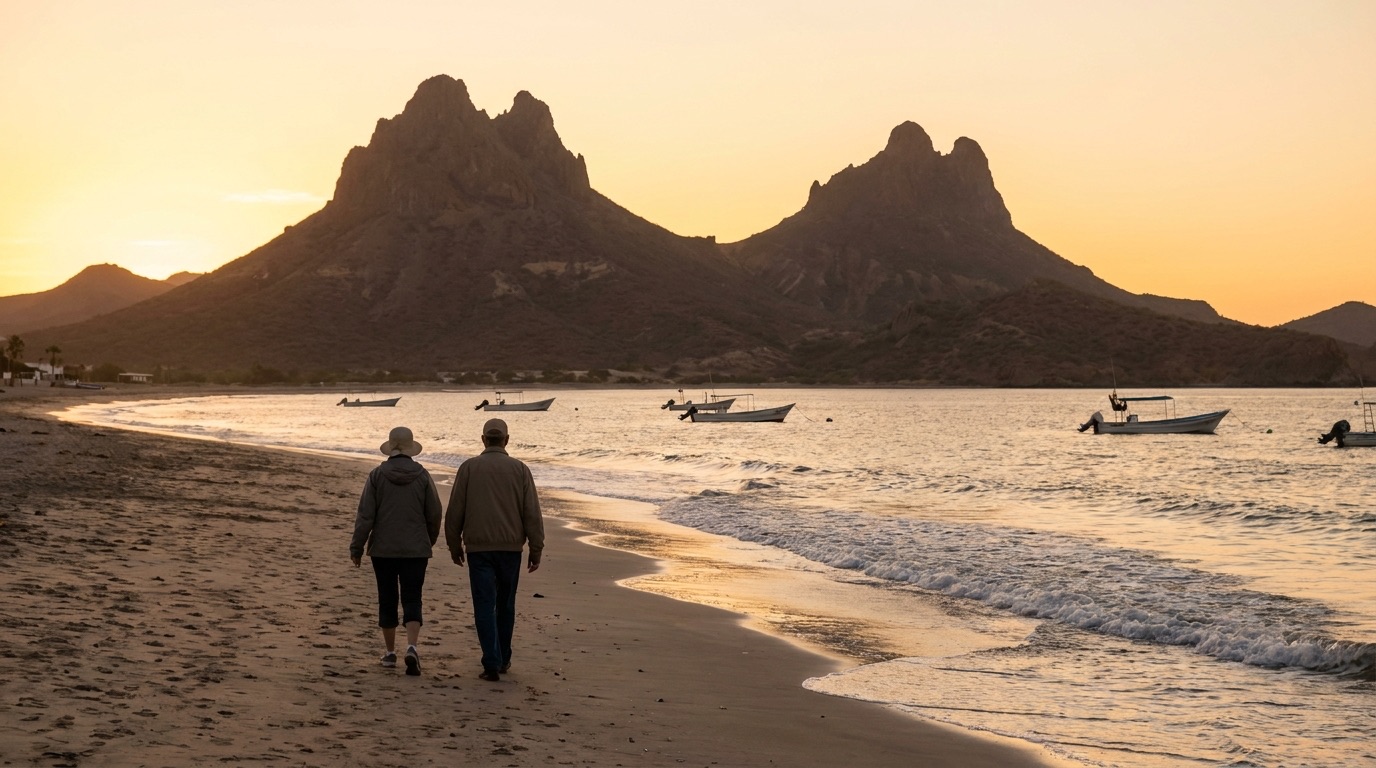
If you've been wondering how much money you need to retire in San Carlos, Mexico, you've probably run into two kinds of answers online: claims that you can live like royalty on pocket change, and vague hand-waving that helps nobody. The truth sits in between, and it depends far more on your habits and your housing than on any magic number.
This post gives you three ways to answer the question. First, the one hard number Mexico itself sets: the income test for a residency visa. Second, three lifestyle tiers (lean, comfortable, and premium) so you can see which one looks like your life. Third, a simple way to pressure-test your own number before you commit.
We don't print dollar totals for each tier. Prices here are mostly in pesos, the exchange rate moves, and a budget copied from someone else's life is rarely accurate for yours. What we can do is show you what drives each tier and how to put a real number on it.
The short answer
San Carlos can work on a wide range of incomes. What separates a lean retirement from a premium one is mostly housing, summer air conditioning, how often you eat out, whether you keep a boat, and how often you travel north.
The fastest way to your own number is to build it line by line with real quotes, using the framework in our cost of living guide. The tiers below help you decide which lines to budget generously and which to keep lean.
Mexico's own answer: the residency income test
If you plan to live here more than a tourist stay allows, Mexico sets a financial bar for residency visas. Each Mexican consulate publishes its own requirements and updates them, so check the consulate where you'll apply.
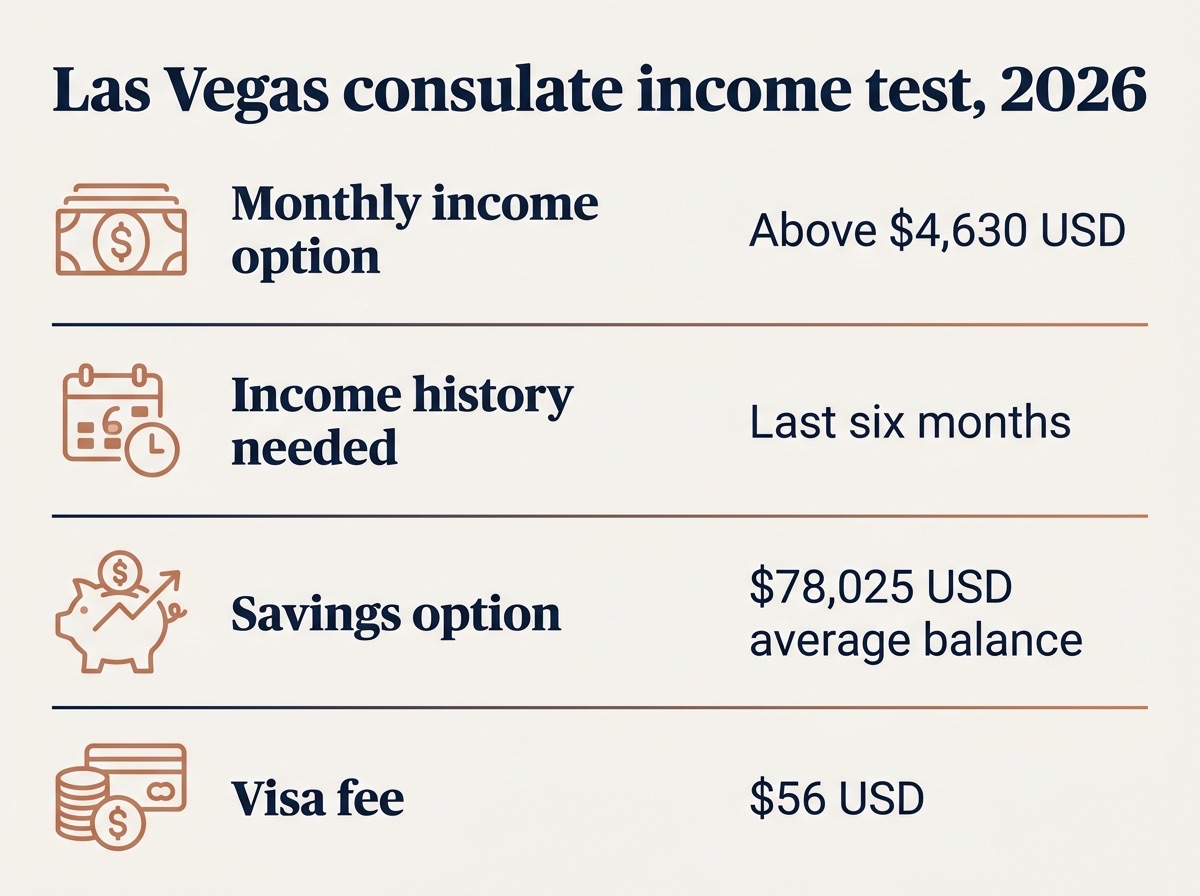
As one 2026 example, the Mexican consulate in Las Vegas listed these requirements for a temporary resident visa based on financial solvency:
| Option | 2026 requirement (Las Vegas consulate) |
|---|---|
| Monthly income | Above $4,630 USD a month for the last six months |
| Savings or investments | Average monthly balance of $78,025 USD for the last twelve months |
| Visa fee | $56 USD |
Three things to keep in mind. These figures are for temporary residency; permanent residency has its own financial requirements, so check those at your consulate too. This is a legal threshold for the visa, not a measure of what life here costs. And if your stays fit within what a tourist visit allows, you may not need a residency visa at all. Our residency visa guide explains temporary and permanent residency and how the process works.
What actually drives a San Carlos budget
Before the tiers, it helps to know which lines move the needle most:
- Housing. By far the biggest variable. Owning outright versus renting can change your monthly budget more than every other category combined.
- Air conditioning. Summers are hot, and running AC hard pushes electric bills up sharply. CFE also moves homes to its unsubsidized DAC tariff when their 12-month average use goes above the local limit. Our utilities guide explains how that works.
- Eating out. Local taco stands and mariscos are affordable, but restaurant prices in Mexico rose faster than grocery prices over the year to August 2026, according to national inflation data.
- Cross-border trips. Fuel, tolls, insurance, and stock-up shopping runs to Arizona are real lines for many residents.
- Healthcare. Routine local care can be priced directly, but insurance or a self-pay reserve belongs in every plan. US Medicare usually doesn't cover care outside the US (Medicare.gov), and Canadian provincial plans may cover little or nothing abroad (travel.gc.ca).
Tier 1: The lean budget
This is the retiree who owns a modest home or casita outright, cooks most meals, shops where locals shop, and treats restaurant nights as an occasional pleasure rather than a routine.
A lean San Carlos retirement often looks like:
- Paid-off housing, with only property tax, any community dues, insurance, and upkeep to cover
- Groceries centered on local markets, tortillerías, and seasonal seafood
- One vehicle, driven sparingly, with errands batched
- Careful AC use in summer, or snowbird timing that skips the hottest months
- Self-pay for routine visits, with an emergency reserve
It's a simple life, but on the Sea of Cortez "simple" includes morning beach walks and desert sunsets. The lines to watch closely are summer electricity and trips north, because those are where a lean budget most often slips.
Tier 2: The comfortable budget
This is a common profile: homeowners or long-term renters who eat out once or twice a week, run the AC when they want it, keep kayaks or fishing gear in the picture, travel back north once or twice a year, and don't think twice about a second margarita.
A comfortable budget usually adds:
- Nicer or larger housing, or rent on a well-located home
- Regular restaurant meals, social events, and club activities
- Comfortable summer AC use, or a bigger travel budget for snowbirds
- Private health insurance or a more generous self-pay reserve
- A cushion for house projects, fishing trips, and visiting grandkids
The lines that grow most in this tier are dining out, travel, and insurance. Price each one for your own habits.
Tier 3: The premium budget
Premium in San Carlos means a view home or waterfront property, a boat in a marina slip, frequent dining out, household help, top-tier insurance, and travel whenever the mood strikes.
Typical additions:
- Larger or view-lot housing with higher utilities and upkeep
- Marina slip fees and boat operating costs
- Weekly housekeeping and gardening help (Mexico's general minimum wage rose about 13% in 2026, so ask for current rates)
- International health coverage
- Regular flights north and vacations elsewhere in Mexico
The boat is usually the single largest addition. Get a slip quote from the marina and a realistic estimate of annual maintenance before you count on it.
The three tiers at a glance
| Tier | Housing situation | Lines that grow most | Best fit for |
|---|---|---|---|
| Lean | Owned outright, modest home | Summer electricity, trips north | Simple living, careful spenders, seasonal residents |
| Comfortable | Owned or well-located rental | Dining out, travel, insurance | Many full-time retirees with a social, active life |
| Premium | View or waterfront home, boat, household help | Boat, help, travel, utilities | Waterfront living, marina life, frequent travel |
Whichever row fits you, the next step is the same: turn it into a line-by-line budget with current quotes.
Where Loma del Mar fits
At Loma del Mar, the housing line has a clear structure. Owners pay the purchase price of the home (shown on each listing), a one-time transfer fee that varies with the size of the property, and ongoing SCTC dues that cover security, maintenance, and the amenities. Utilities (water, power, propane, and trash) are billed through the SCTC. The pool, hot tub, gym, pickleball court, and community events are part of the membership, which matters if you'd otherwise pay for those separately.
Dues and fees depend on the specific property, so ask Jason for the exact figures for any home you're considering. How Buying Works explains the ownership models.
Don't forget the one-time costs
The move itself has real costs worth planning for separately:
- Residency visa fees at the consulate and later in Mexico, if you apply
- Vehicle costs: a Mexican liability policy is needed, since US and Canadian policies generally don't cover you beyond the border area (State Farm); our guide to bringing a car covers the permit rules
- Purchase costs if you buy, including trust setup where it applies; see closing costs in San Carlos
- Furnishing and setup: even a furnished place usually needs a first-month shopping trip
- Moving or storage for whatever you keep up north
Set these aside in a separate transition fund so startup costs never raid your monthly budget.
Income, exchange rates, and inflation
Most expenses in San Carlos are paid in pesos, while most retirees' income arrives in US or Canadian dollars. Exchange-rate swings can move your effective cost of living noticeably in either direction, and Canadians have an extra conversion to think about. We don't quote a rate because it changes daily.
Mexico has inflation too. INEGI reported annual inflation of 3.26% in August 2026. A budget from an article you read years ago may not match today's prices, so build a margin into whatever tier you choose, and plan at a conservative exchange rate rather than the best one you've seen.
If your income clears your comfortable-tier budget with room to spare, you have real breathing room. If it only just covers a lean budget, San Carlos can still work, but spend time here first, track your real spending, and prove your number before committing.
How to pressure-test your number
Nothing replaces time on the ground. Before you commit:

- Spend a full month here, ideally including some warm weather, so you see real electricity costs.
- Track every peso for that month, in whatever app or notebook you already trust.
- Price your actual housing plan, not a hypothetical one: a specific rental, or a specific home you're considering buying.
- Ask for real bills. A year of CFE bills including summer, the latest predial receipt, and any dues statement tell you more than any blog post.
- Talk to residents at your target tier. People in San Carlos are generally happy to talk about what things cost.
For the bigger picture of what life here involves, including healthcare, safety, seasons, and community, start with our complete guide to retiring in San Carlos.
Get real numbers for a real home
The quickest way to firm up your housing line is to look at an actual property. Contact Jason or message him on WhatsApp and he'll walk you through the price, dues, and transfer fee for any Loma del Mar home you're considering.
Written by
Jason Thompson
Real Estate Agent, Vive Real Estate
Jason grew up spending winters in San Carlos as a snowbird with his parents. In 2000, he made it his full-time home. He has been selling real estate here since 2013, and he's fluent in English and Spanish. When he's not working, he's snorkeling, kayaking, or metal detecting under water. Jason loves this town, and he's happy to help anyone who wants to make it home too.